
Consulting Case Study on Analytical Methods for University Faculty ResearchResearch analysis consulting case
Here we present a case study ofConsulting Case Study on Analytical Methods for University Faculty Researchour support involvingselecting analytical methods aligned with research objectives, reviewing data, organizing statistical analysis plans, and supporting incorporation into papers and reportsThis page introduces a case in which we provided such support.
Even when university researchers have a clear topic and hypotheses, it can be difficult to determine which analytical method to use, which variables to include, and how to assess consistency with measurement levels and sample size.
Stat Agent does more than simply perform the analysis. We provide integrated support includingclarification of research objectives, review of data structure, presentation of candidate analytical methods, comparison of analysis plans, interpretation of results, and incorporation into papers, KAKENHI reports, and conference presentations.
Please note thatTo protect privacy, portions of the research topic, university name, and text have been adjusted, and published images have also been processed.Thank you for your understanding.
Case Study: Selecting Analytical Methods and Proposing an Analysis Plan for University Faculty Research Data
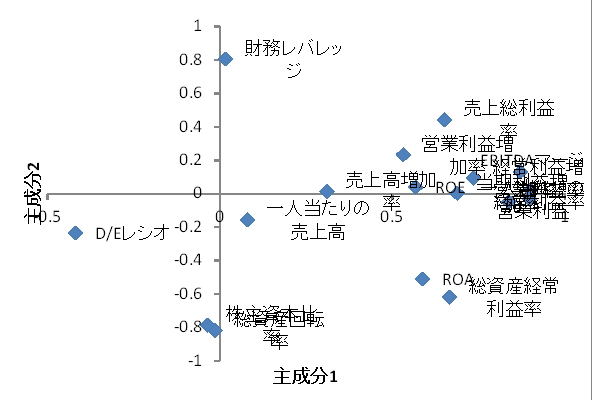
Step 1 | Consultation on Research Objectives, Hypotheses, and Data
First, we carefully ask about the faculty member's research objectives, hypotheses, participants, planned data, and intended form of the final deliverable.
In this case,the client wanted to determine which analytical methods would be appropriate for the research data.
During research, investigators often wonder whether to use factor analysis, whether regression analysis is sufficient, whether ANOVA or correlation analysis is more appropriate, or how to handle open-ended responses together with quantitative data.
Before beginning work, Stat Agent organizeswhat the study aims to clarify, the main dependent and independent variables, whether the measurement level is nominal, ordinal, or approximately interval, and whether the sample size is adequate for the intended analysis.
We also tailor the consultation to the purpose, such as research planning, additional analysis before peer review, preparation of figures and tables before a conference presentation, or tabulation for a KAKENHI report.
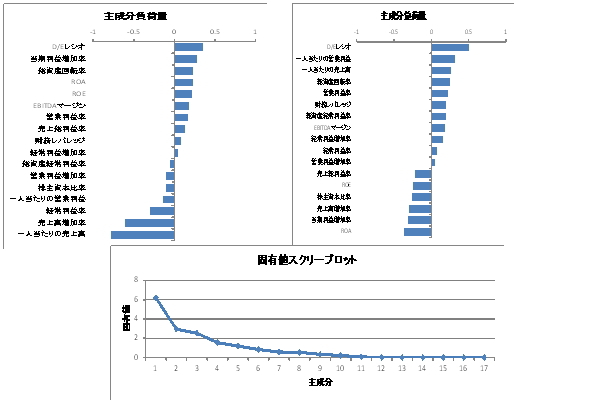 Step 2 | Reviewing the Data Structure and Assessing Feasible Analyses
After the consultation, we review the actual data structure and organize which analyses are feasible. At this stage, we check variable names, response formats, missing values, outliers, scale reliability, whether grouping is possible, and whether open-ended responses are present. University research may involve many types of data, including questionnaire data, experimental data, course-evaluation data, medical and nursing data, educational-practice data, and interview transcripts.
Therefore, Stat Agentchecks whether the data format is aligned with the research objectiveand proceeds carefully to avoid analyses that are not appropriate for the data.
In this project, we assessed analytical feasibility from the following perspectives.
1. Confirm the research objective and hypotheses
2. Organize primary and supplementary variables
3. Confirm measurement levels and response formats
4. Check missing values, outliers, and the number of valid responses
5. Assess whether descriptive statistics, cross-tabulation, and multivariable analysis are applicable
6. Organize an analysis plan that can be explained clearly in papers and reports
CarefulCarefully reviewing the data before analysishelps prevent unstable interpretation of results and leads to analyses that are better aligned with the research objective.
Step 3 | Presenting and Comparing Candidate Analytical Methods
After reviewing the data structure, we propose multiple candidate analytical methods according to the research objective.
For example, factor analysis may be suitable for identifying clusters among scale items; multiple regression or logistic regression may be used to predict an outcome from multiple explanatory variables; t-tests or ANOVA may be used to examine differences between groups; and qualitative analysis or text mining may be suitable for organizing open-ended responses.
Stat Agent does not simply state that a particular method “should be used.” Instead, we comparethe purpose, assumptions, advantages, limitations, and ease of explanation in an academic paper for each methodand organize the analytical approach that best fits the study.
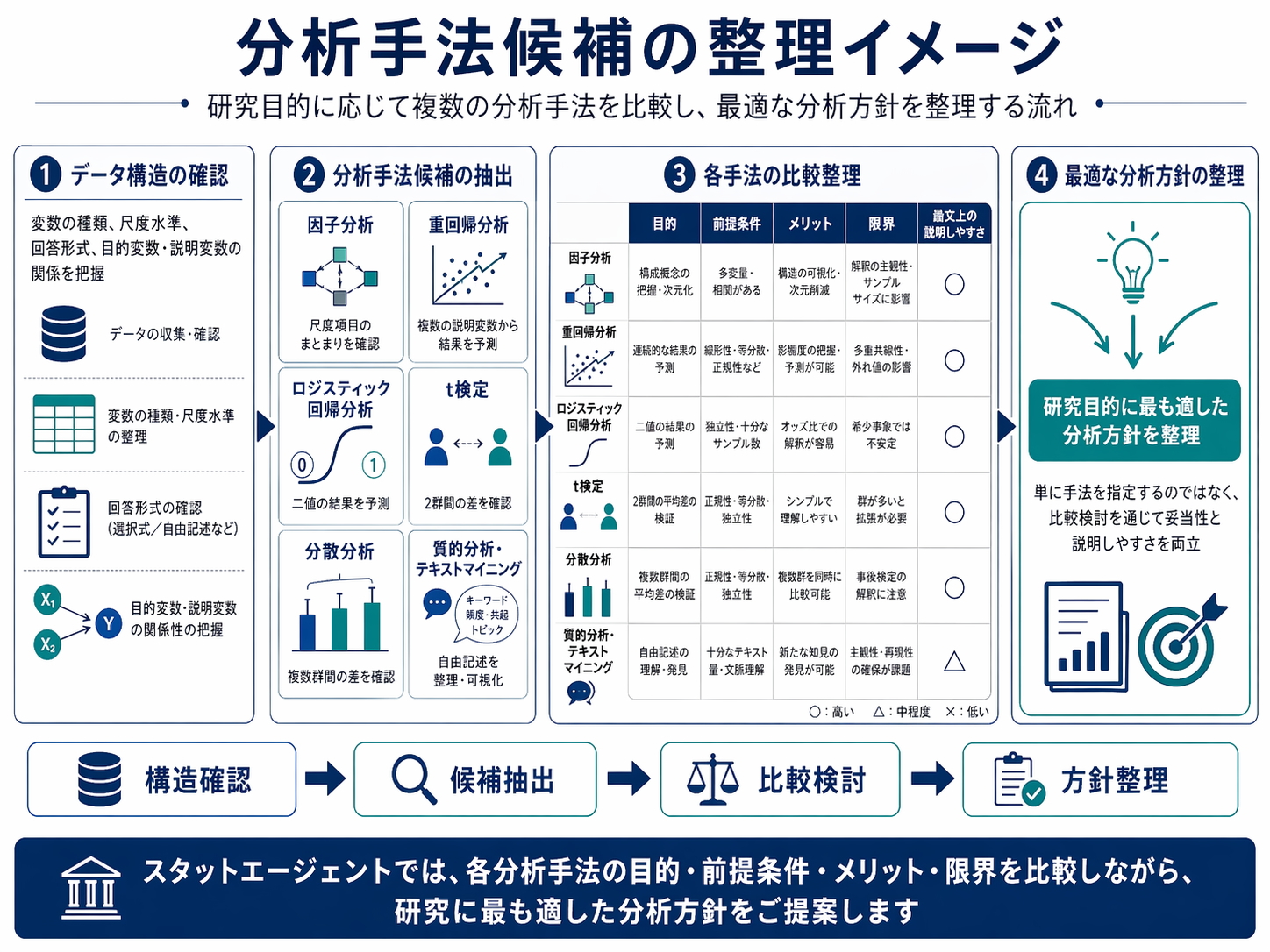
Examples of analytical methods include:
1. Descriptive statistics, simple tabulation, and cross-tabulation
2. t-tests, analysis of variance, and multiple comparisons
3. Correlation analysis, multiple regression analysis, and logistic regression analysis
4. Factor analysis, principal component analysis, and reliability analysis
5. Structural equation modeling and path analysis
6. Text mining, thematic analysis, M-GTA, and the KJ Method
AI may also be used to identify candidate analyses, but the final decision is made by reviewingthe research objective, characteristics of the data, assumptions of the analysis, and whether the method can be explained to reviewers and readersthrough human judgment.
Step 4 | Finalizing the Analysis Plan and Conducting the Analysis
After comparing candidate methods, we consult with the researcher and finalize the analysis plan.
In this case, based on the research objective and data structure, we proposed combining basic tabulation, scale checks, between-group comparisons, and multivariable analysis.
Depending on the project, we use tools such as Excel, SPSS, R, Stata, and Python, and organize the results in an appropriate format for the research objective and submission destination.
We also organize the findings so that interpretation is not limited to p-values or the presence or absence of statistical significance, but can include effect sizes, confidence intervals, odds ratios, standardized coefficients, contribution rates, and other measures relevant to the research field.
Step 5 | Interpreting Results and Supporting Their Use in Papers and Reports
After the analysis is complete, we organize how the results should be interpreted and how they can be described in a paper or report.
In university research, it is important not only to obtain analytical results but also to clarifywhat the findings reveal in relation to the research objective,、whether the hypotheses were supported,、how the results relate to previous research, and、how limitations and future research issues should be organized..
Stat Agent can support not only analytical tables and graphs, but also interpretation of findings, figure and table titles, notes, results text for the manuscript, and explanations prepared with peer review in mind.
Step 6 | Final Review and Delivery
Finally, we review the analytical results, figures and tables, interpretive comments, and explanations of the analytical methods, and organize them in the required delivery format.
At this stage, we do more than simply check for typographical errors. We confirmwhether the analytical method corresponds to the research objective,、whether numerical values in figures and tables match the explanations in the text,、whether interpretations are overstated, and、whether the results are organized in a form that is easy to use in a paper or report.
Depending on your needs, we can provide analysis results in Excel, reports in Word, figures and tables for PowerPoint, notation formatted for journal submission, and draft responses to reviewer comments.
Through this workflow, Stat Agent provides integrated support forUniversity research support, analytical-method consulting, statistical analysis consultation, data analysis, and organization of results for papers and reports
Before production begins, we carefully confirm the research field, data volume, analytical methods, number of figures and tables, whether a report is required, and the delivery format.
Standard delivery:3–5 days
Expedited delivery:Delivery within 1 day may be available
* We also support KAKENHI-funded research, university bulletins, journal submissions, conference presentations, course-evaluation analysis, medical and nursing research, educational-practice research, and open-ended response analysis.
Contact Us
Over 30,000 consultations / Over 19,000 completed engagements. To date, we have supported consultations and requests involving analysis outsourcing, statistical processing, questionnaire surveys, marketing support, and more. Our experienced consultants carefully listen to your needs so that we can provide the right support. We offer prompt and accurate work at reasonable, accessible rates and are committed to delivering dependable results. Stat Agent team members across Japan will take responsibility for supporting you.
*We provide the profile of the person responsible for your project when you apply.
For outsourced analysis and statistical processing, choose Stat Agent.
*When order volume is high, it may be difficult to reach us by phone.
We apologize for the inconvenience. We respond in order of receipt, so if your matter is urgent, please contact us by
